The Rate Isn’t the Whole Deal
How to Compare Two Mortgage Offers Without Getting Lost in the Numbers
By Scott Hand, Iowa REALTOR® | Pinnacle Realty
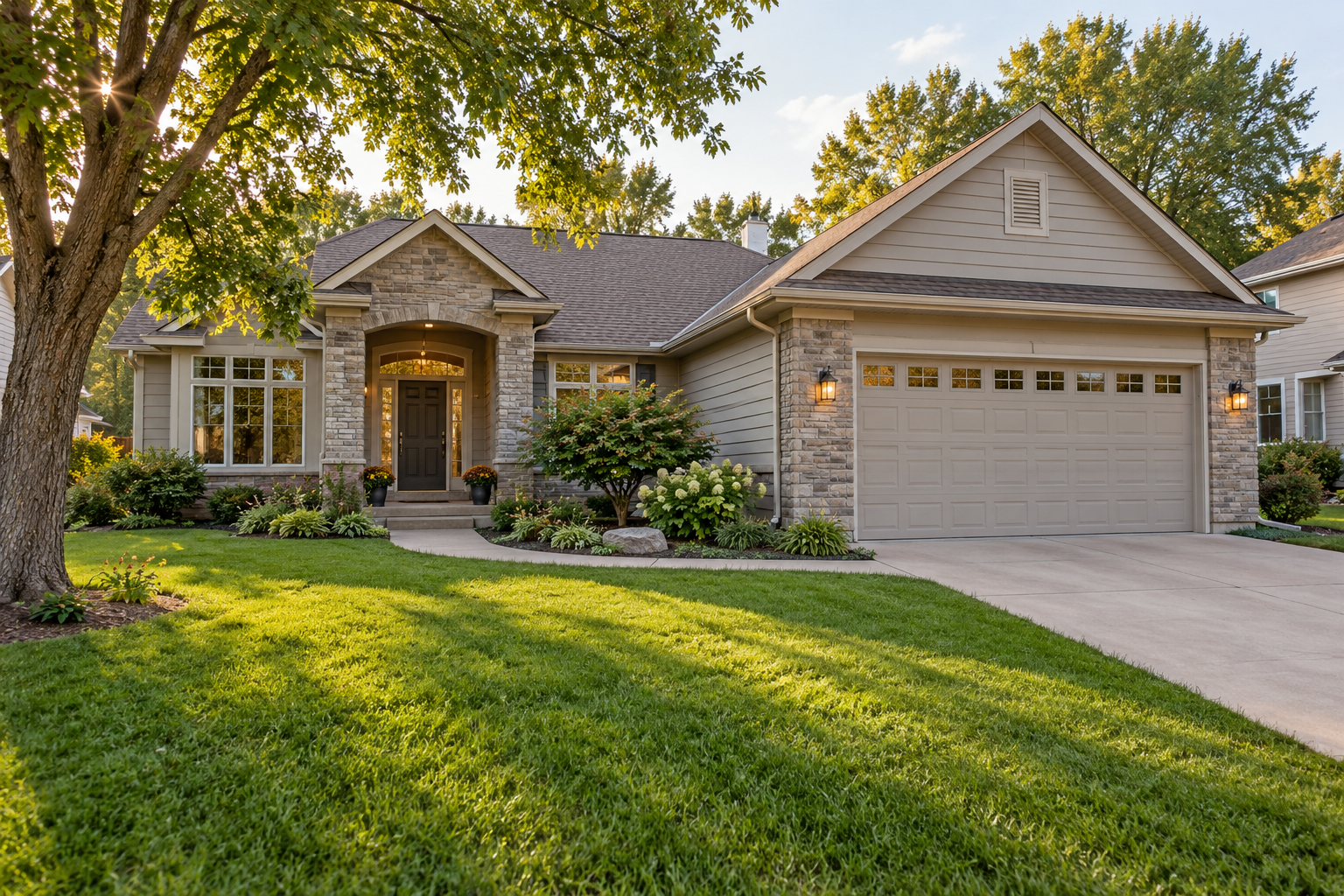
Whether you’re buying in Cedar Rapids, Marion, Hiawatha, or elsewhere in Eastern Iowa, your mortgage should fit your life as well as your house.
30-second takeaway
A lower mortgage rate can look like the better deal—until you see what it costs to get it. Before choosing a lender, compare the monthly payment, upfront fees, cash needed at closing, and how long you expect to keep the loan.
Start with matching offers.
Ask lenders to quote the same loan amount, loan type, term, and down payment, as close to the same time as possible. Check whether each rate is locked and for how long. Otherwise, you may be comparing two very different packages.
Request written Loan Estimates. Their standardized format makes the differences easier to spot.
Look at what you’re paying for that rate.
Discount points are upfront charges paid for a lower interest rate. Lender credits generally work the other way: you accept a higher rate in exchange for help with closing costs.
Neither is automatically better. Paying more today may make sense if you keep the loan long enough to recover the cost. Keeping more cash available may matter more if you have moving expenses or repairs ahead.
Here’s a simple illustration—not a current mortgage quote:
| Choice | Additional upfront cost | Monthly savings |
|---|---|---|
| Lower-rate option | $3,000 | $60 |
| Option without that additional cost | $0 | $0 |
Dividing $3,000 by $60 gives a rough break-even point of 50 months. If you sell or refinance sooner, you might not recover the extra cost. This simplified calculation leaves out other differences; ask your lender for a complete comparison.
Check the payment and the cash needed at closing.
Principal and interest are only part of the monthly picture. Review estimated taxes, insurance, mortgage insurance, and any HOA dues.
Then compare cash to close. A smaller figure can reflect different estimates for taxes or insurance rather than lower lender charges. Ask what explains each difference.
APR includes the interest rate and certain loan costs, making it another useful comparison—but it doesn’t replace reviewing the full offer.
Use the five-year comparison as another checkpoint.
On the Loan Estimate’s third page, find the “In 5 years” figures. Subtract the principal paid off from the total paid to compare interest, mortgage insurance, and loan costs over that period. Then consider whether five years matches your plans.
Before deciding, ask:
- What does this rate cost upfront?
- What is my full estimated monthly payment?
- How much cash will I need at closing?
- When would the extra upfront cost pay for itself?
- Can this lender meet my contract’s closing deadline?
My advice:
Choose the loan that gives you a comfortable payment, manageable upfront costs, and terms you understand.
Have a home in mind? Let’s talk through your buying plans and the questions to bring to your lender.
Scott Hand, REALTOR® · Pinnacle Realty
319-512-8212 · scott.hand@pinnaclerealtyia.com
This article is general educational information, not a property inspection, legal opinion, or substitute for advice based on your specific transaction.